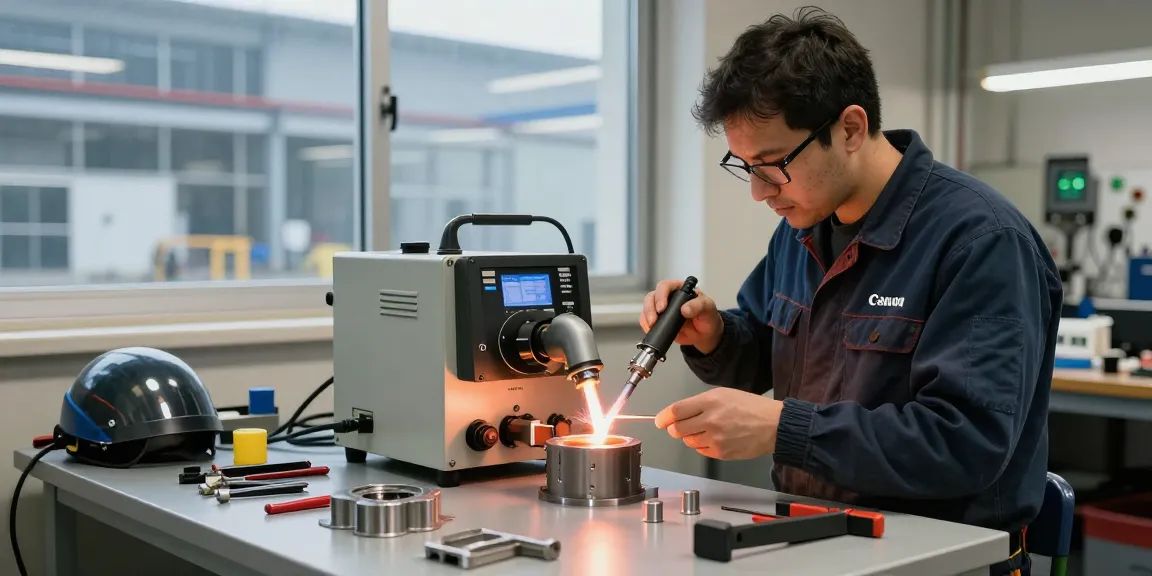
Understanding Induction Heating Technology
Induction heating technology has revolutionized how industries approach metal processing and manufacturing. By utilizing electromagnetic fields, induction heaters provide a fast, efficient, and precise method for heating various materials. As energy efficiency and operational reliability become more critical in today’s manufacturing processes, understanding how these devices work and their multifaceted applications is essential for any industry professional. induction heater solutions have become integral to sectors ranging from automotive to medical equipment, fostering innovation and enhancing productivity.
What is an Induction Heater?
An induction heater is a device that uses electromagnetic induction to heat materials, primarily metals. It operates by generating high-frequency alternating currents in a coil, creating a rapidly changing magnetic field. When a conductive material is placed within this field, eddy currents are induced, which generates heat due to the resistance of the material. This process allows for rapid, efficient, and localized heating, making induction heaters a preferred choice in various applications.
How Induction Heating Works
The functionality of induction heating is based on Faraday’s law of electromagnetic induction, which posits that a changing magnetic field can produce electric currents in a conductor. The main components of an induction heating system include:
- Induction Coil: This coil generates the electromagnetic field, which envelops the target metal.
- Power Supply: Converts AC power into high-frequency current to drive the induction coil.
- Cooling System: Ensures the equipment remains within safe operating temperatures, preventing overheating.
When the power supply energizes the coil, the electromagnetic field is generated. As conductive materials enter this field, the induced currents create heat that can be precisely controlled, thus optimizing the heating process for various applications.
Benefits of Using Induction Heaters
- Efficiency: Induction heaters convert up to 95% of electrical energy into heat, significantly reducing energy waste.
- Speed: Rapid heating times allow for shorter production cycles.
- Precision: The ability to control heat to ±1°C ensures uniform heating and minimizes the risk of overheating.
- Environmentally Friendly: Induction heating produces no flames or combustion gases, creating a cleaner workspace.
- Versatility: Suitable for a wide range of applications, from micro-brazing to heavy-duty melting.
Applications of Induction Heating in Various Industries
Induction heating technology is employed across multiple sectors, each leveraging its unique benefits. Here are some notable applications:
Metal Processing and Fabrication
In metal processing, induction heating is employed for various applications, including:
- Brazing: Induction heating facilitates precise heating for joining metal parts.
- Quenching: Used to quickly cool heated metals to alter their properties.
- Melting: Efficient for melting metals like gold and aluminum in furnaces designed for high-frequency or medium-frequency operations.
Automotive and Aerospace Applications
In the automotive and aerospace industries, induction heaters are utilized for:
- Hardening Components: Enhancing the durability of critical parts like gears and shafts.
- Welding: Induction welding provides a quick and clean method for joining metals without filler materials.
- Heat Treatment: Optimizing metallurgical properties before final assembly.
Medical Equipment Manufacturing
In the medical field, precision is paramount. Induction heaters are used to:
- Assemble Surgical Instruments: Providing precise temperature controls for soldering and heat sealing.
- Manufacture Implants: Ensuring that materials are heated uniformly to maintain their integrity and functionality.
Choosing the Right Induction Heater for Your Needs
Selecting the right induction heater requires careful consideration of several factors to ensure optimal performance and efficiency.
Factors to Consider When Selecting Equipment
- Power Requirements: Assess the kilowatt needs based on your specific applications.
- Heating Techniques: Different techniques such as induction melting or brazing may require different equipment.
- Material Types: The operator must understand the properties of the materials to be heated.
- Cycle Times: Choose equipment that minimizes downtime and maximizes production efficiency.
Customizable Options for Different Applications
Most modern induction heaters come with customizable options such as:
- Coil Design: Custom coils can be designed to fit specific shapes and sizes of workpieces.
- Power Racks: Modular power racks allow for easy scalability based on production demands.
This flexibility helps industries adapt to unique needs, ranging from small-scale R&D projects to large-volume productions.
Budgeting for Induction Heating Solutions
While the initial cost of induction heating equipment can be higher than traditional heating methods, the long-term savings in energy efficiency and increased productivity often outweigh these costs. When budgeting for an induction heating system, consider:
- Initial Investment: Calculate the upfront costs for equipment and installation.
- Operational Expenses: Estimate ongoing utility costs and maintenance expenses.
- Return on Investment: Factor in potential increased output and reduced scrap rates.
Best Practices for Operating Induction Heaters
To maximize the performance and lifespan of induction heaters, adopting best practices is essential.
Safety Protocols and Compliance Standards
Safety should always be a top priority when working with induction heating equipment. Adhere to the following protocols:
- Training: Ensure that all personnel are trained on equipment operation and safety guidelines.
- Safety Gear: Provide appropriate personal protective equipment (PPE) to operators.
- Regular Inspections: Conduct routine checks to ensure that all safety features are operational.
Maximizing Energy Efficiency
To achieve the highest energy efficiency, it is vital to:
- Optimize Load Management: Adjust power settings according to the load to prevent energy wastage.
- Utilize Insulation: Employ thermal insulation to reduce heat loss from induction systems.
Maintaining Equipment for Longevity
Proper maintenance extends the lifespan of induction heating equipment. Key practices include:
- Regular Cleaning: Keep coils and power supplies clear of debris and dust.
- Monitoring Performance: Use diagnostic tools to monitor equipment performance and address issues proactively.
Future Trends in Induction Heating Technology
As technology advances, the induction heating industry continues to evolve, introducing cutting-edge solutions that enhance efficiency and effectiveness.
Emerging Innovations for 2026 and Beyond
Anticipated innovations in induction heating technology include:
- Smart Technology Integration: Enhanced IoT capabilities for real-time monitoring and data analytics.
- Improved Materials: Development of superconducting materials to increase efficiency and performance.
Impact of Industry 4.0 on Induction Heating
Industry 4.0 is set to transform induction heating by integrating advanced automation, data exchange, and smart factory solutions. This shift will allow for:
- Data-Driven Decisions: Real-time data analysis to optimize heating processes.
- Enhanced Workflow Automation: Automatic adjustments based on load and environmental changes.
Case Studies of Successful Implementations
Industries leveraging induction heating have reported significant improvements in quality and efficiency. For instance, a major automotive manufacturer adopted induction heating for brazing components, resulting in:
- 30% reduction in cycle times
- 15% decrease in energy consumption
What are the advantages of using induction heating?
The advantages of induction heating include efficiency, speed, precision, and a cleaner working environment. The technology minimizes energy waste while providing the necessary control over heating processes, making it ideal for both large-scale production and intricate prototypes.
How does the energy efficiency of induction heaters compare to traditional methods?
Induction heaters stand out for their ability to convert electrical energy into heat with up to 95% efficiency, significantly outpacing traditional heating methods that often waste energy through combustion and radiant heat loss.
What safety features are essential in modern induction heaters?
Essential safety features include over-temperature protection, over-current detection, and coil fault monitoring, coupled with safety interlocks to prevent accidental operation.
Can induction heating be used for non-metal materials?
Induction heating mainly targets conductive materials; however, research is ongoing into its application for certain non-metal materials, particularly those with metal components or oxides.
What industries are most reliant on induction heating technology?
Key industries include metal processing, automotive manufacturing, aerospace, and medical device production, all of which rely on the precision and efficiency of induction heating to improve their operational effectiveness and end-product quality.. Additionally, induction welder provides further details.