Understanding Structural Engineering Services in Missouri
Structural engineering is a critical branch of civil engineering that focuses on the design, analysis, and construction of structures that support or resist loads. In Missouri, licensed professionals provide essential services to ensure that buildings, bridges, and other structures are safe, stable, and compliant with local regulations. This article explores the scope of structural engineering services available in Missouri, emphasizing the importance of these professionals in various projects. When exploring options, structural engineer missouri provides comprehensive insights into how their expertise can enhance safety and effectiveness in both residential and commercial construction.
What Does a Structural Engineer Do?
A structural engineer is responsible for various tasks that ensure a structure’s safety and functionality. This includes:
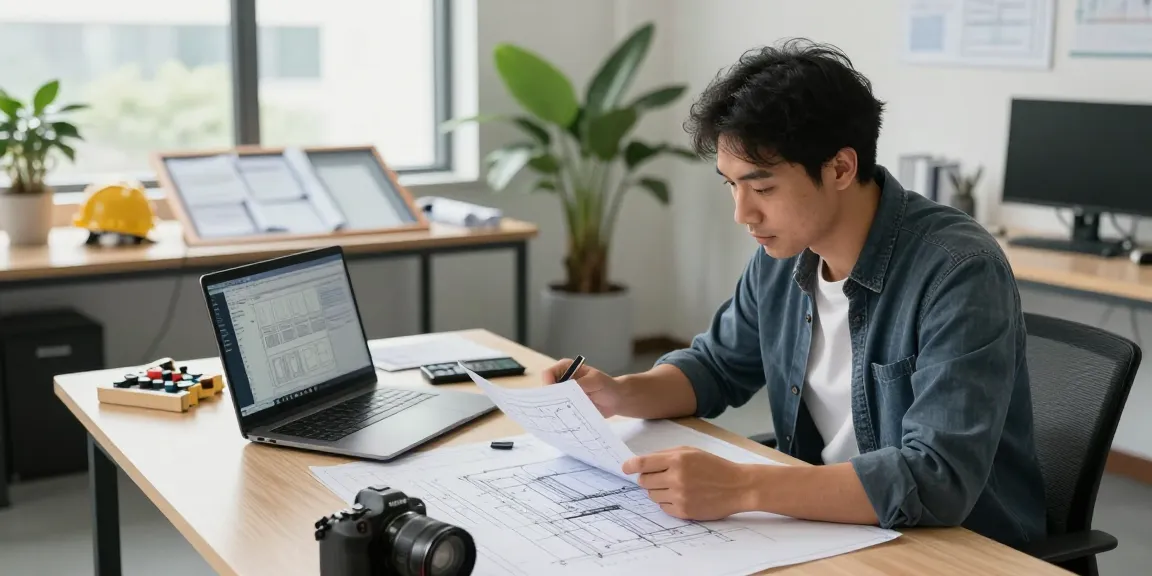
- Designing Structures: Engineers create blueprints and design specifications that detail load requirements, materials, and construction methods.
- Conducting Calculations: They perform complex calculations to determine material strengths, load capacities, and structural integrity under various scenarios.
- Inspections: Structural engineers are often called upon to inspect existing buildings and structures to assess their condition and recommend repairs or enhancements.
- Consultation: They provide expert opinions in legal cases related to construction disputes or failures.
The Importance of Engineering Analysis
Engineering analysis is vital for assessing the potential risks associated with different structural designs and materials. By using advanced modeling techniques and simulations, engineers can predict how a structure will respond to environmental factors like earthquakes, floods, and wind loads. This proactive approach prevents disasters and ensures that projects adhere to local safety codes.
Common Areas of Expertise
Structural engineers possess specialized knowledge in several areas, including:
- Residential Structures: Homes, garages, and additions.
- Commercial Buildings: Offices, retail spaces, and industrial facilities.
- Bridges and Highways: Infrastructure critical to community connectivity.
- Retrofitting and Renovation: Updating and strengthening existing structures to meet modern standards.
Choosing the Right Structural Engineer in Missouri
Selecting a qualified structural engineer is a crucial step in ensuring the success of your project. Here are some considerations to keep in mind.
Key Qualities to Look For
When searching for a structural engineer, it’s essential to evaluate their qualifications. Look for:
- Licensing: Ensure they are licensed to practice in Missouri and possess the necessary credentials.
- Experience: Consider their track record with similar projects.
- Specialization: Verify their area of expertise aligns with your project needs.
Evaluating Credentials and Experience
Request references and review past projects to gauge the engineer’s capabilities. A well-rounded professional should have experience across various project types and should be familiar with local building codes and regulations. This knowledge is critical for navigating the permitting process efficiently.
Understanding Fees and Services
It’s essential to discuss fees upfront, as structural engineers may charge differently based on project complexity. Common fee structures include hourly rates, fixed fees, or percentage-based fees based on the construction costs. Understanding these details can help you budget effectively.
Common Projects Requiring Structural Engineering Expertise
Structural engineers are integral to a range of projects, from simple residential renovations to complex commercial developments.
Residential Construction and Renovation
Homeowners often require structural engineering services when building new homes or renovating existing ones. Whether it’s removing a load-bearing wall, adding a second story, or reinforcing foundations, a structural engineer ensures that the modifications will not compromise the safety and integrity of the home.
Assessing Damage from Natural Disasters
After incidents such as floods, earthquakes, or severe storms, structural engineers assess the damage to determine if a structure is safe for occupancy. Their evaluations can guide homeowners and insurance companies on the necessary repairs and adjustments.
Commercial Property Developments
For commercial projects, structural engineers design and analyze structures to ensure they can withstand various loads and stresses. They also collaborate with architects and builders to create safe and compliant building designs that meet business needs.
Navigating the Engineering Consultation Process
Understanding the engineering consultation process is essential for clients seeking structural engineering expertise. Here’s a breakdown of what to expect.
Initial Consultation: What to Expect
The initial consultation typically involves discussing project goals, timelines, and budget constraints. This is an opportunity for clients to ask questions and for engineers to clarify the scope of work.
Document Preparation and Submission
After the initial consultation, the structural engineer will prepare necessary documents, including design plans, calculations, and reports. These documents will be submitted for review and approval to ensure compliance with local building regulations.
Post-Consultation Follow-Up and Implementation
Once plans are approved, the engineer may assist with project implementation, including periodic site inspections to ensure adherence to the design specifications. This oversight is crucial in maintaining safety standards throughout the construction phase.
Future Trends in Structural Engineering for Missouri
The structural engineering field is evolving, driven by technological advancements and changing regulatory landscapes. Here are some trends to watch in Missouri.
Innovations in Construction Technology
Emerging technologies such as Building Information Modeling (BIM) and advanced materials like carbon fiber composites are revolutionizing the construction industry. These innovations improve accuracy, efficiency, and design capabilities.
Sustainability Practices in Engineering
As environmental concerns grow, sustainable design practices are becoming more prevalent. Structural engineers are increasingly utilizing eco-friendly materials and energy-efficient design principles to minimize the environmental impact of their projects.
Regulatory Changes Impacting Structural Engineering
Changes in local and national building codes require engineers to stay updated on new regulations. Compliance with these codes is crucial to maintaining safety and ensuring successful project completion.
What are the costs associated with hiring a structural engineer?
The costs of hiring a structural engineer can vary widely depending on project complexity and the engineer’s experience. On average, homeowners in Missouri might expect to pay anywhere from $100 to $250 per hour or a flat fee based on the project’s scope.
How do I know if I need a structural engineer?
If you are undertaking a construction project involving significant structural changes, experiencing damage from natural disasters, or need an inspection for compliance, hiring a structural engineer is advisable. Their expertise ensures safety and adherence to regulations.
What projects can a structural engineer assist with?
Structural engineers can assist with a variety of projects, including residential and commercial construction, renovations, damage assessments, and compliance with safety regulations in building practices.
What qualifications should I look for in a structural engineer?
Look for a licensed professional with experience in your project’s specific area, along with strong communication skills and a proven track record of successful projects.
What are the benefits of using a licensed structural engineer?
Utilizing a licensed structural engineer ensures that your project complies with legal standards and regulations, minimizes risks associated with structural failures, and enhances the long-term durability and safety of your structures.