Understanding CNC Glass Cutting Machines
In the ever-evolving landscape of manufacturing, CNC glass cutting machines have emerged as a vital component for precision and efficiency. These advanced machines leverage computer numerical control technology to cut glass with unparalleled accuracy, making them indispensable in various industries. As businesses continue to emphasize automation and high-quality production, understanding CNC glass cutting machines becomes paramount for manufacturers looking to stay competitive.
What is a CNC Glass Cutting Machine?
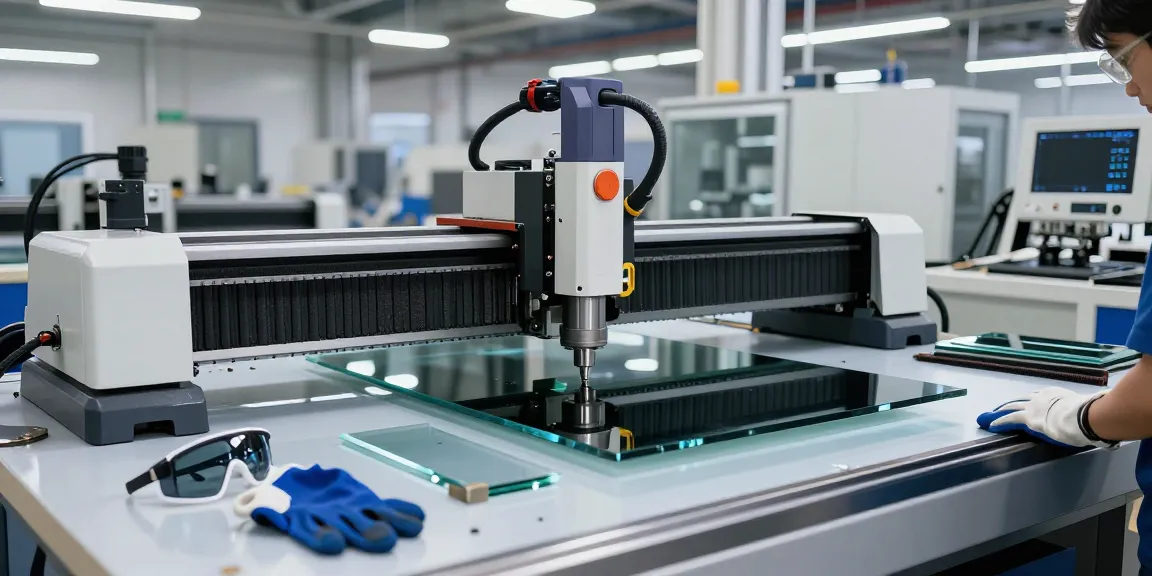
A CNC glass cutting machine is a type of automated equipment designed to cut glass sheets into specified shapes and sizes using computer-controlled processes. Unlike traditional glass cutting methods that rely on manual labor, CNC machines utilize precise programming to achieve consistent and repeatable results. This type of machinery can handle a variety of glass types, including float glass, tempered glass, and laminated glass, catering to diverse applications from architecture to automotive manufacturing.
Key Components and Technology
Understanding the components that comprise a CNC glass cutting machine is crucial for appreciating its capabilities:
- Cutting Head: The cutting head is equipped with diamond blades or laser technology that precisely scores and cuts glass.
- Control System: The heart of the machine, the control system interprets design data and directs the cutting head’s movement.
- Movement Mechanism: Most machines employ gantry systems or linear motors for swift and accurate movement across the glass sheet.
- Support Table: A stable surface is essential for positioning and supporting the glass as it undergoes cutting.
Benefits of Using CNC in Glass Processing
The adoption of CNC technology in glass processing offers several significant advantages:
- Precision: CNC machines can achieve precise cuts that adhere to exact measurements, significantly reducing material waste.
- Speed: Automated processes enhance production speed, allowing manufacturers to meet tight deadlines.
- Versatility: These machines can quickly switch between different cutting tasks and glass types, making them suitable for varied requirements.
- Labor Reduction: Automation minimizes the need for extensive manual labor, thus reducing human error and associated costs.
Types of CNC Glass Cutting Machines
When exploring options for glass cutting equipment, cnc glass cutting machine types can vary greatly based on their functionality and application. Here’s an in-depth look at several models available in the market:
In-depth Look at Different Models
CNC glass cutting machines can be categorized based on their designs and functionalities:
- CNC Automatic Glass Cutting Machine: These machines fully automate the cutting process, offering features like loading and unloading mechanisms to enhance efficiency.
- CNC Float Glass Cutting Machine: Designed specifically for float glass, this model ensures clean cuts and is often used in the production of windows and doors.
- Semiautomatic Glass Cutting Machine: While these machines require some manual intervention, they still significantly enhance the speed and accuracy of glass cutting compared to manual methods.
Choosing the Right CNC Glass Cutting Machine for Your Needs
When selecting a CNC glass cutting machine, consider the following factors:
- Size and Capacity: Ensure the machine can accommodate the maximum size of glass sheets you typically handle.
- Type of Glass: Different machines may be optimized for specific types of glass, so choose one that meets your material requirements.
- Production Volume: Assess your expected output to select a machine that can handle your production demands without sacrificing quality.
Comparative Analysis of Manual vs. CNC Cutting
The choice between manual and CNC glass cutting methods comes down to several key considerations:
- Precision: CNC cutting machines offer far superior accuracy compared to manual techniques.
- Consistency: Automated processes ensure uniformity in production, which is difficult to achieve with manual cutting.
- Production Time: CNC machines can complete cutting jobs significantly faster than manual processes, especially for high-volume projects.
Operational Best Practices
To maximize the benefits of your CNC glass cutting machine, adhering to operational best practices is essential:
Setting Up CNC Glass Cutting Equipment
Proper setup of your CNC glass cutting machine ensures safe and efficient operation. Begin by following manufacturer instructions for installation and calibration. Ensure your workspace is clean and well-lit, and that the machine is placed on a stable surface to minimize vibrations during operation. Regularly check alignments and make necessary adjustments to maintain precision.
Maintenance Tips for Longevity
Regular maintenance is critical for extending the life of CNC machines. Consider implementing the following:
- Perform routine inspections of the cutting head and movement mechanisms to identify any wear or damage.
- Keep the machine clean to prevent debris buildup that could affect performance.
- Lubricate moving parts as per manufacturer recommendations to ensure smooth operation.
Safety Protocols When Using CNC Machines
Your safety is paramount when operating CNC glass cutting machines. Always wear appropriate personal protective equipment (PPE), including goggles and gloves. Ensure that all operators are trained on machine operation and safety protocols, and implement emergency stop procedures to mitigate risks during operation.
Applications of CNC Glass Cutting in Various Industries
CNC glass cutting technology finds applications across various sectors, contributing to advancements in manufacturing processes:
Architectural and Decorative Glass Solutions
In architecture, CNC machines are utilized to create custom glass designs, ranging from intricate patterns to large structural components. This capability allows architects to explore innovative designs while ensuring that glass panels meet safety and aesthetic requirements.
Automotive Glass Processing Techniques
In the automotive industry, CNC glass cutting machines are essential for producing windshields and side windows with exact specifications, ensuring a perfect fit and enhanced safety for vehicle occupants.
Glass Used in Electronics and Technology
High-tech industries leverage CNC glass cutting for the production of screens and components for devices such as smartphones and televisions, where precision is critical to functionality and performance.
Future Trends in CNC Glass Cutting Technologies
As technology advances, the future of CNC glass cutting will likely be characterized by several key trends:
Innovations to Watch for in 2026
Anticipated advancements include improved automation features, enhanced software for machine control, and increased integration of artificial intelligence to facilitate predictive maintenance and operational efficiency.
Impact of Automation on Glass Processing
The shift toward greater automation in manufacturing processes will streamline operations, reduce production costs, and enhance quality control in glass processing.
Sustainability Practices in CNC Glass Cutting
As industries increasingly prioritize sustainability, CNC glass cutting practices will evolve to include environmentally friendly production methods that minimize waste and energy consumption.
What are the advantages of CNC glass cutting machines?
CNC glass cutting machines offer numerous benefits, including enhanced precision, improved production speed, and reduced labor costs, making them a preferred choice for modern glass processing.
How to choose the best CNC glass cutting machine?
Consider factors such as production volume, type of glass processed, and machine capabilities when selecting the most suitable CNC glass cutting machine for your operations.
What are the maintenance tips for CNC glass cutting machines?
Regular inspections, cleaning, and lubrication are vital for maintaining CNC machines and ensuring optimal performance over time.
What industries use CNC glass cutting machines?
The automotive, architectural, and electronics industries are among the primary sectors benefiting from CNC glass cutting technologies for their production processes.
How does CNC technology improve glass cutting precision?
CNC technology employs advanced programming and control systems that guide cutting tools with high accuracy, resulting in superior precision compared to traditional methods.