Understanding the Appeal of Tree House Life
Tree house life has become a captivating concept for individuals seeking a unique blend of adventure, serenity, and connection to nature. The idea of living elevated among the branches not only offers a whimsical escape from conventional living but also allows inhabitants to appreciate the tranquility that comes with being surrounded by trees. Whether you're considering a treehouse as a getaway, a permanent residence, or merely a delightful retreat, you'll find that this lifestyle brings numerous benefits that transcend mere aesthetics. For those exploring this enchanting way of living, tree house life provides comprehensive insights into the various aspects of treehouse living.
What is Tree House Life?
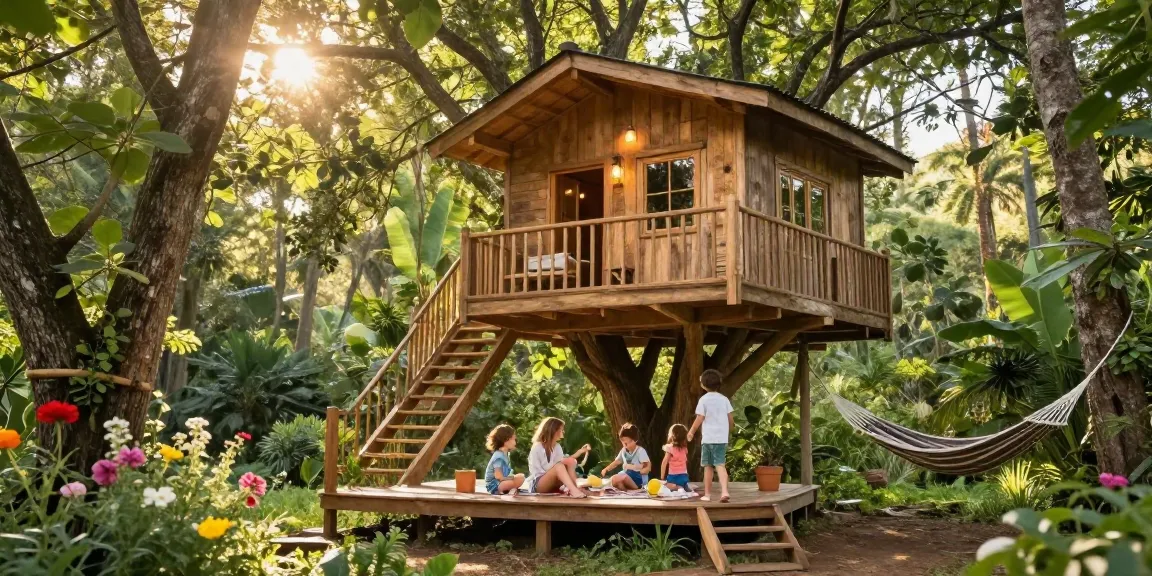
Tree house life refers to the lifestyle and community formed around living in or visiting treehouses. These structures can vary widely in design, size, and function, ranging from simple children’s playhouses to luxurious, fully-equipped homes. The philosophy behind this lifestyle embraces the idea of harmonising with nature, promoting sustainability, and providing a retreat from the hustle and bustle of urban living. Whether as a second home or a place for meditation and relaxation, treehouses serve as perfect hideaways to disconnect from the daily grind.
The Benefits of Living Among the Trees
Living among the trees offers a multitude of benefits, both physical and psychological. These include:
- Enhanced Well-Being: Being in nature is known to reduce stress, increase feelings of happiness, and improve overall mental health.
- Unique Aesthetic Appeal: Treehouses provide a charm and character that traditional homes often lack, allowing for creative architectural designs.
- Connection to Nature: Residents enjoy a closer connection to the environment, experiencing the changing seasons and wildlife up close.
- Privacy and Seclusion: Elevated living spaces often experience less foot traffic, providing a peaceful retreat.
- Sustainability: Many modern treehouses are built using eco-friendly materials and techniques that minimise the impact on their surroundings.
Popular Designs and Features of Modern Treehouses
Today’s treehouses come equipped with a variety of innovative features that enhance comfort and functionality. Popular designs include:
- Open Floor Plans: This design facilitates a spacious feel, allowing for unobstructed views of the surrounding nature.
- Incorporated Utilities: Many modern treehouses include plumbing, heating, and electricity, making them suitable for year-round living.
- Naturally Inspired Materials: Wood and other natural materials are favoured to blend harmoniously into the surroundings.
- Eco-Friendly Technologies: Solar panels, rainwater harvesting systems, and compost toilets are commonly integrated for sustainable living.
Choosing the Right Treehouse for Your Needs
When selecting a treehouse, it’s important to consider various factors to ensure that it meets your needs and lifestyle. The right choice will offer both comfort and accessibility while aligning with your vision of tree house life.
Factors to Consider When Selecting a Treehouse
Choosing a treehouse involves assessing several factors including:
- Location: Consider the type of trees and their health, the surrounding landscape, and accessibility.
- Size: Determine how much space you need and the purpose of the treehouse.
- Design: Select a design that suits your style and complements its natural surroundings.
- Budget: Factor in not only the initial cost but also ongoing maintenance and potential renovations.
Top Materials and Designs for Durability
Durability is crucial in treehouse construction. Opting for robust materials can ensure that your treehouse withstands the test of time. Recommended materials include:
- Pressure-Treated Lumber: Resistant to decay and insects, this material is ideal for treehouse construction.
- Cedar and Redwood: Known for their natural resistance to rot, these woods are beautiful options for exteriors.
- Composite Materials: These are weather-resistant and often require less maintenance than wood.
Permits and Legal Considerations for Treehouses
Before building a treehouse, it’s essential to check local regulations and obtain the necessary permits. Laws regarding treehouse construction can vary widely based on location. Consult with local authorities to ensure compliance with zoning laws and building codes to avoid costly fines or demolition.
Building Your Dream Treehouse: Step-by-Step Guide
Constructing a treehouse involves careful planning and execution. This guide will walk you through the essential steps to build your dream retreat.
Planning and Design Tips for Your Treehouse
When planning your treehouse, start with a clear vision of its purpose and design. Consider who will use it and how often. Sketching out your ideas can help clarify what features you want to include, such as:
- Decks and balconies for outdoor enjoyment
- Windows for natural light and ventilation
- Storage spaces for outdoor equipment
Essential Tools and Supplies for Construction
Gather the right tools and materials before commencing your project. Essential supplies include:
- Power tools such as saws and drills
- Safety gear including helmets and gloves
- High-quality building materials tailored to your design plan
How to Transform Your Treehouse into a Home
Once the structure is complete, personalising your treehouse can turn it from a simple shelter into a unique home. Consider adding:
- Comfortable furnishings and décor that reflect your style
- Insulation to maintain comfortable temperatures
- Outdoor spaces, such as fire pits or seating areas, for enjoying the view
Tree House Life: Maintenance and Safety Tips
To ensure the longevity of your treehouse, regular maintenance and safety checks are essential.
Regular Maintenance Practices for Longevity
Establishing a routine for inspections and maintenance can help identify issues before they become serious. Key practices include:
- Inspecting the structural integrity of the tree and house
- Checking for signs of pests or decay
- Cleaning gutters and drainage systems to avoid water damage
Safety Features Every Treehouse Should Have
Every treehouse should prioritise safety with features such as:
- Stable access points, like stairs or ladders with handrails
- Safety nets or barriers to prevent falls
- Regularly checked escape routes in case of emergencies
How to Prepare Your Treehouse for Different Seasons
Seasonal preparations can help maintain the condition of your treehouse. Consider the following tips:
- Winter: Insulate pipes to prevent freezing and check for snow load on the roof.
- Spring: Inspect for any weather damage and clear out gutters.
- Summer: Ensure ventilation and check for heat-related wear on materials.
- Autumn: Clean the surrounding area of leaves and prepare for the upcoming winter months.
Exploring Tree House Communities and Retreats
Treehouse communities are emerging as popular destinations for individuals seeking unique experiences that foster connection and creativity.
Popular Treehouse Destinations Around the World
Several places across the globe are renowned for their incredible treehouse lodges and communities. Notable destinations include:
- The Treehotel in Sweden: Famous for its modern, artist-designed treehouses.
- Out'n'About Treehouse Treesort in Oregon: Offers a variety of treehouses for visitors, perfect for families.
- Redwood Treehouse in New Zealand: An immersive experience among ancient trees.
The Emerging Trend of Treehouse Rentals
Many individuals are opting for treehouse rentals as unique getaways. These rentals often provide a serene atmosphere and are situated in picturesque locations, making them perfect for retreats and holidays. Such stays allow guests to experience tree house life without the commitment of ownership.
How Treehouses Foster Community and Connection
Treehouse communities enable residents to engage with one another, sharing a bond formed through living among the trees. This connection often leads to joint activities, shared gardening spaces, and mutual support, creating an enriched community feel.
What Are the Best Practices for Sustainable Treehouse Living?
Sustainable treehouse living focuses on minimising environmental impact while providing comfort and enjoyment. Best practices include:
- Utilising reclaimed or sustainably sourced materials for construction.
- Implementing energy-efficient systems to reduce electricity usage.
- Preserving the natural surroundings by maintaining healthy trees and landscaping practices.