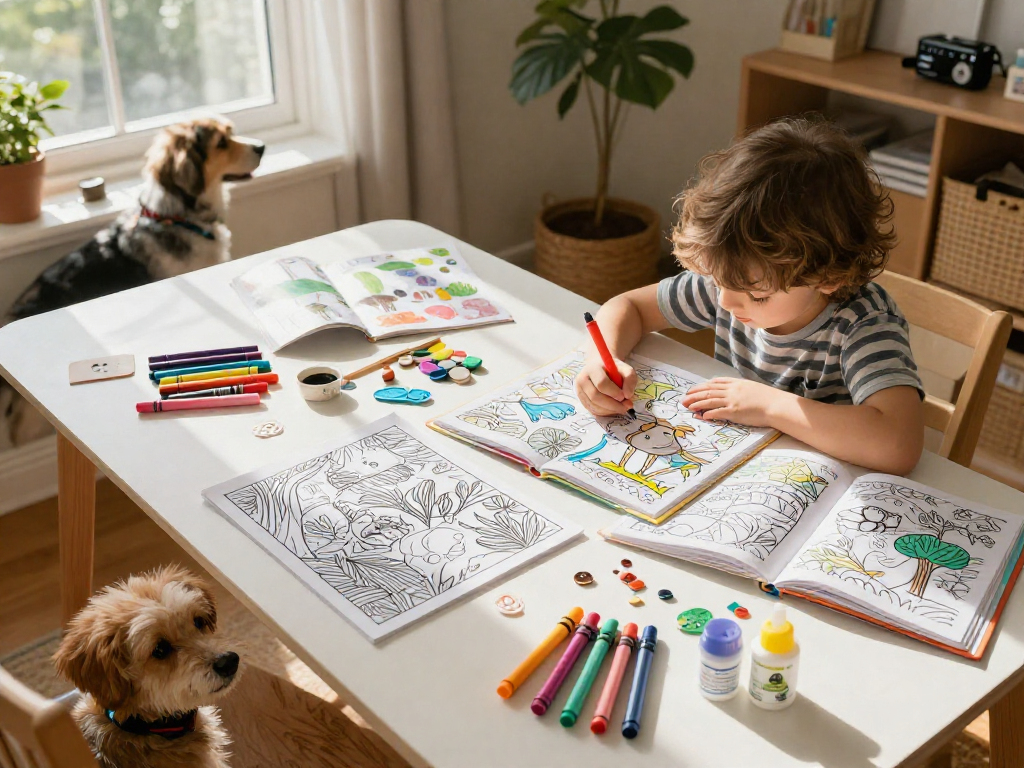
Introduction to Coloring Books and Their Benefits
Coloring books have emerged as a beloved pastime across generations, offering a unique blend of creativity, relaxation, and educational value. This simple activity has evolved into a popular trend not only for children but also for adults seeking a creative outlet. Whether used for leisure, learning, or therapy, coloring books can provide significant benefits. When exploring options, Coloring Books have something to offer for everyone, from intricate designs to educational themes.
What Are Coloring Books?
Coloring books are printed books consisting of line art illustrations designed for users to fill in with colors. Historically aimed at children, the genre has expanded to encompass various themes, styles, and complexity levels, appealing to a wide audience, including adults. The rise of adult coloring books over the last decade has incorporated mindfulness and relaxation practices into the art of coloring.
Benefits of Coloring for Children
Engaging with coloring books can have numerous positive effects on children’s development. As they fill in images, children enhance their fine motor skills and hand-eye coordination. Moreover, coloring promotes creativity and self-expression, allowing them to explore colors and themes in a personal way. This creative outlet can also serve as a stress reliever, providing a calm space where children can focus and unwind.
History and Evolution of Coloring Books
The history of coloring books dates back to the 18th century when educational materials began to emerge. However, it wasn't until the 20th century that coloring books gained widespread popularity with the advent of the Crayola crayon in 1903. Over the years, coloring books have transformed from simple, black-and-white illustrations into complex designs, including intricate patterns and themes ranging from nature to mandalas. Today, they are a staple in many households, with various options catering to different age groups and interests.
Exploring Different Types of Coloring Books
Traditional vs. Digital Coloring Books
While traditional coloring books remain a favorite, digital coloring books have gained traction in recent years. Traditional coloring books provide the tactile experience of coloring with crayons or colored pencils, allowing users to express their creativity on paper. In contrast, digital coloring books, accessible through tablets and smartphones, offer convenience and a plethora of features such as color blending, undo options, and various brush types. Each format has its own advantages, and individuals can choose based on their preferences.
Educational Coloring Books for Learning
Educational coloring books combine fun and learning, making them an excellent resource for children. These books often include illustrations related to letters, numbers, and science concepts, allowing children to learn while engaging in a creative activity. They can enhance cognitive skills, memory, and recognition of shapes and colors, making them an effective tool for parents and educators.
Adult Coloring Books and Their Popularity
The rise of adult coloring books marks a significant trend in recent years. These books typically feature intricate designs, mandalas, and scenes meant for relaxation and mindfulness. Studies have shown that coloring can reduce anxiety and promote feelings of well-being. This form of art therapy has become a popular activity for adults, providing a screen-free option to de-stress and foster creativity.
Creative Alternatives to Standard Coloring Books
Interactive Digital Coloring Apps
With technology at our fingertips, interactive coloring apps have transformed the traditional coloring experience. These apps often feature animated illustrations, allowing users to see their creations come to life. Many apps integrate social sharing features, enabling users to connect with others and share their work, fostering a community of budding artists. They can also provide tailored experiences, allowing users to select themes or create their own illustrations.
DIY Coloring Projects and Craft Ideas
For those who wish to take creativity a step further, DIY coloring projects can be an exciting alternative. From creating custom coloring pages to designing one’s own coloring book, the possibilities are endless. Craft ideas such as making greeting cards, wall art, or even fabric design using coloring techniques can enhance creativity while providing unique, personalized items.
Coloring as Part of Broader Art Therapy
Coloring books have found their place within art therapy, an emerging field that uses creative practices to improve mental health. Art therapists often incorporate coloring as a tool to facilitate discussion, encourage self-expression, and explore emotions. This approach can be particularly beneficial for individuals dealing with anxiety, trauma, or stress, offering a safe space for expression and healing.
How to Choose the Right Coloring Book
Factors to Consider for Age Appropriateness
Choosing the right coloring book involves considering the age of the user. For younger children, books with larger outlines and simpler designs are more appropriate, as they help develop motor skills. In contrast, older children and adults may prefer more intricate designs that challenge their creativity and focus.
Selecting Themes and Subjects for Interest
Another important factor is the theme of the coloring book. Users should consider their interests—whether it's animals, landscapes, or abstract patterns—to enhance engagement. Themed books can inspire creativity and provide a more enjoyable experience, encouraging users to color more frequently.
High-Quality Materials and Printing Options
High-quality materials in coloring books can enhance the coloring experience. Look for books with thick, smooth paper that prevents ink bleed-through. Printing quality also matters; clear, well-defined outlines allow for better coloring effects, making the finished piece more satisfying to view.
Future Trends in Coloring Books and Creativity
Innovations in Coloring Book Design for 2026
As we look to the future, some innovations in coloring book design are expected to emerge. We may see the integration of augmented reality, allowing users to color illustrations that come to life through apps. Additionally, more interactive elements—such as coloring books that incorporate puzzles or games—can make the experience multidimensional.
Integrating Technology with Coloring
As technology continues to advance, the integration of tech within coloring books will likely become more prevalent. This may include the use of AI to generate personalized coloring pages based on the user's preferences or even collaborative coloring experiences through online platforms. Such innovations could reshape how individuals engage with coloring as a hobby.
Impact on Child Development and Learning Outcomes
Research into the impact of coloring on child development continues to yield promising results. Specifically, studies indicate that regular engagement with coloring activities can enhance cognitive development, including improved focus, better problem-solving skills, and increased emotional intelligence. As educators and parents look for effective ways to support child development, coloring books will likely play an integral role.
What age group are coloring books suitable for?
Coloring books are suitable for all age groups. For toddlers and preschoolers, look for books with large pictures and simple designs. Children aged 5 and up can enjoy more detailed illustrations, while adults can explore complex patterns or themes meant for relaxation.
How can coloring books aid in child development?
Coloring books aid in child development by enhancing fine motor skills, improving concentration, and fostering creativity. Additionally, they can provide a calming effect, helping children learn to focus and express their thoughts and emotions visually.
Are digital coloring apps as beneficial as traditional books?
Digital coloring apps can be just as beneficial as traditional books, offering unique features like color mixing and undo options that traditional media cannot. However, the tactile experience of physical coloring books still provides benefits that digital versions may lack, such as the feeling of paper and the act of manual coloring.
What types of coloring books are best for relaxation?
Intricate mandalas, nature scenes, and abstract patterns are often best for relaxation. These types of coloring books encourage mindfulness and can provide a calming experience, reducing stress and anxiety.
How has the coloring book industry evolved in recent years?
The coloring book industry has evolved to include a wide variety of themes and styles, catering to children and adults alike. The emergence of adult coloring books, interactive coloring apps, and custom DIY options reflects a growing understanding of the mental health benefits associated with coloring, making it a relevant and dynamic industry.