Understanding the Importance of Choosing the Right Dentist
Choosing the right dentist is a crucial decision that can significantly impact not only your oral health but also your overall wellbeing. Many patients underestimate the importance of their relationship with their dentist, often deciding based on convenience rather than compatibility and specialization. A qualified dentist can make all the difference in your treatment outcomes, comfort level, and long-term dental health. For many, taking the time to discover more here about their options can lead to better choices and healthier smiles.
Why Your Dentist Matters?
The relationship you have with your dentist plays a significant role in your dental care experience. A trusted dentist will not only provide quality care but also foster an environment where you feel safe and respected. This relationship encourages open communication, allowing you to discuss concerns and preferences without hesitation. Patients are more likely to follow through with recommended treatments and preventive measures if they trust their dentist and feel valued.
Common Misconceptions About Dental Care
Many people hold misconceptions about dental care that may deter them from seeking treatment. One prevalent myth is that dental visits are only necessary when something is wrong. In reality, regular check-ups can prevent many common dental issues, including cavities and gum disease. Another misconception is that all dentists provide the same level of care and expertise. Recognizing the importance of specialized practices, such as pediatric dentistry or orthodontics, can lead to better outcomes based on individual needs.
The Role of Patient-Dentist Relationships
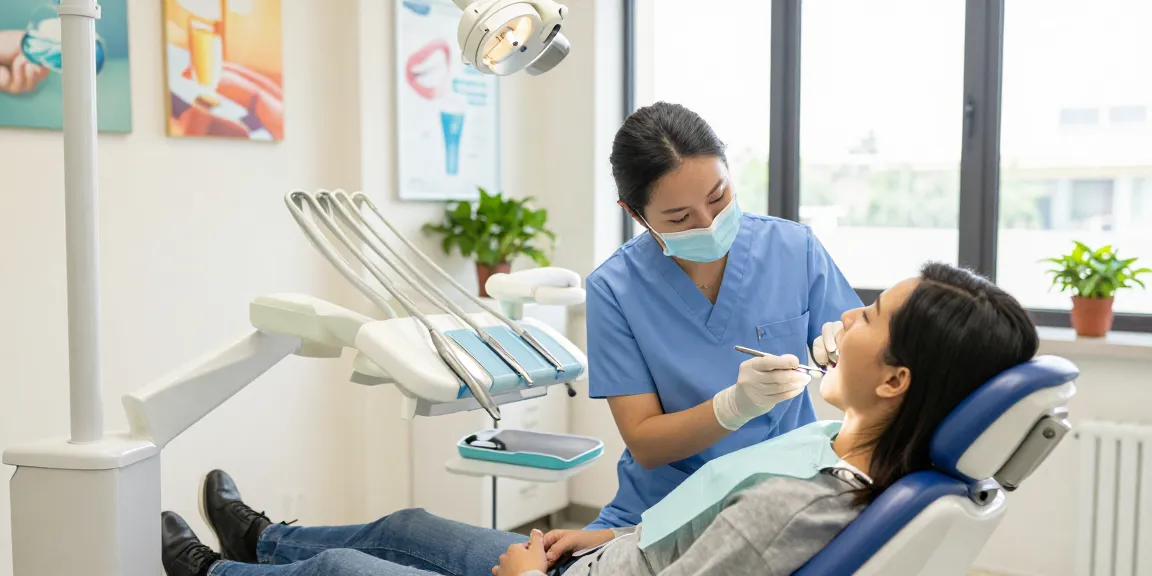
A good patient-dentist relationship is characterized by trust, communication, and mutual respect. This bond can enhance your dental experience, making visits more pleasant and less stressful. Dentists who take the time to educate their patients about procedures and involve them in treatment planning contribute to a positive experience. This relationship is particularly vital for patients with anxiety or fear about dental visits, as a supportive dentist can help them feel at ease.
How to Discover More Dentists in Your Area
Finding the right dentist involves exploring various resources that cater to your needs. With advancements in technology, potential patients can utilize online platforms specifically designed to connect them with dental professionals in their area. Using keywords related to your dental needs and location can yield a variety of options, simplifying the process of selection.
Utilizing Online Platforms to Find Dentists
Online platforms like Dentee allow patients to search for dentists based on their specific criteria, such as location, specialty, and patient reviews. These websites often provide real-time availability, enabling quick appointment bookings that fit your schedule. By using reputable online platforms, you can access a wealth of information about local dental professionals, helping you make an informed decision.
Importance of Local Recommendations
Local recommendations from friends, family, or coworkers can be invaluable when searching for a dentist. These personal experiences often provide a clearer picture of the quality of care offered by different practices. Additionally, talking to someone who has visited a dentist can shed light on the atmosphere of the clinic, the staff's demeanor, and the dentist's communication style, all of which contribute to your overall experience.
Exploring Reviews and Ratings Effectively
Reading online reviews can provide insights into the experiences of other patients with specific dental practices. However, it’s important to approach reviews critically. Look for patterns in both positive and negative feedback to gauge the overall reputation of a dentist. Pay attention to comments about the staff’s friendliness, office cleanliness, and the dentist's ability to communicate effectively. This information can guide you toward the right choice for your dental care.
Booking Appointments Made Easy
Thanks to technology, booking a dental appointment is now easier than ever. Many dental clinics offer online scheduling, allowing you to book appointments at your convenience without the hassle of long phone calls or waiting times. This efficiency can help you prioritize your dental health without compromising your busy schedule.
Real-Time Availability Checking
One of the most significant advancements in dental booking is the ability to check real-time availability for appointments. This feature allows patients to see which days and times are open, giving them the flexibility to choose an appointment that fits seamlessly into their schedules. As a result, patients are less likely to postpone necessary dental visits, leading to better oral health outcomes.
How to Prepare for Your First Visit
Your first visit to a new dentist may be a bit daunting, but preparing ahead of time can help ease any anxiety. Be sure to gather relevant medical history, including any medications you're taking and any past dental issues. Knowing what to expect during your visit can also alleviate stress; most first visits include a thorough examination and often a discussion about your dental health goals.
Understanding Appointment Types: Emergency vs Routine
It's essential to understand the different types of dental appointments you may require. Routine visits, typically scheduled every six months, focus on preventive care, such as cleanings and examinations. In contrast, emergency appointments are for urgent issues requiring immediate attention, such as severe pain, swelling, or trauma. Knowing the difference can help you prioritize your dental needs effectively.
Navigating Dental Costs and Insurance
Dental care can sometimes be daunting not just for the procedures involved but also for the costs associated with them. Understanding your dental insurance plan and being aware of potential out-of-pocket expenses can help mitigate any financial surprises.
Understanding Your Dental Insurance Plan
Most dental insurance plans cover preventive care, such as cleanings and exams, fully or with minimal out-of-pocket expenses. It's essential to review your insurance policy to understand what’s covered and what’s not, including any waiting periods that may apply. Familiarizing yourself with your insurance can help you avoid unexpected costs during treatments.
Hidden Costs to Watch For
Even with insurance, hidden costs can arise during dental treatments. Additional services, such as X-rays or specialized treatments, may not be included in a basic plan. It's crucial to ask your dentist about any potential additional costs before proceeding with treatment. Open communication regarding fees can help you feel more confident in your choices.
Payment Plans and Financing Options
If you find yourself facing extensive dental work beyond what your insurance will cover, many dental offices offer payment plans or financing options. These arrangements can help you manage larger expenses by spreading them out over time, making dental care more accessible.
Staying Informed: Best Practices for Dental Care
Maintaining optimal oral health requires more than just regular dentist visits. Empowering yourself with knowledge about dental care can significantly enhance your overall oral health routine, ensuring that you're doing everything possible to keep your teeth and gums healthy.
Maintaining Oral Health Between Visits
Brushing and flossing daily are foundational to maintaining good oral health. Additionally, consider the benefits of using an antibacterial mouthwash to reduce plaque buildup between dental visits. Regularly replacing your toothbrush every three months or after illness can also help keep your mouth healthy.
Recognizing Dental Issues Early On
Being proactive about your dental health entails recognizing potential issues early. Common signs of dental problems include persistent pain, swelling, and changes in the appearance of your teeth or gums. Early detection is crucial to effective treatment, so don't hesitate to contact your dentist if you notice any concerning symptoms.
The Importance of Regular Check-ups
Regular dental check-ups are vital for preventive care. During these visits, your dentist can identify potential issues before they become significant problems, saving you time, discomfort, and money in the long run. Aim for a dental visit every six months to maintain optimal oral health.
What About Emergencies?
Dental emergencies can happen at any time, and knowing how to respond is essential. Most dentists provide emergency care, but it's wise to confirm this before you need it. Understanding what constitutes a dental emergency—such as a knocked-out tooth, severe toothache, or swelling—can help you react quickly and ensure your dental health is protected.
Can You Change Dentists Mid-Treatment?
Yes, changing dentists mid-treatment is possible, but it requires careful planning and communication. If you feel uncomfortable or unsatisfied with your current dental provider, seek out new options and ensure that your new dentist is aware of your treatment history. This will help them provide continuity of care.
How to Switch Dentists Smoothly?
To switch dentists smoothly, begin by researching potential new providers. Once you've made a choice, request your dental records to ensure your new dentist has all the information needed to continue your care seamlessly. Effective communication with both your old and new dentist will facilitate a hassle-free transition.
What Makes a Dentist Trustworthy?
A trustworthy dentist is one who demonstrates transparency, strong communication skills, and a commitment to patient care. Look for a dentist who listens to your concerns, explains treatment options thoroughly, and provides evidence-based recommendations. Trust is crucial for a successful patient-provider relationship.
How Frequently Should You See a Dentist?
The general recommendation is to visit the dentist every six months for routine check-ups. However, individuals with specific dental issues or high-risk factors may need more frequent visits. Your dentist can provide tailored advice on how often you should come in based on your oral health needs.